Microplastics in the Home: Comprehensive Guide to Risks and Reduction
Your home is not neutral. It is either supporting your health or quietly working against it.
Microplastics are one of the clearest examples of this invisible layer.
They are not just an environmental issue anymore—they are part of your indoor environment, showing up in your air, water, and daily routines.
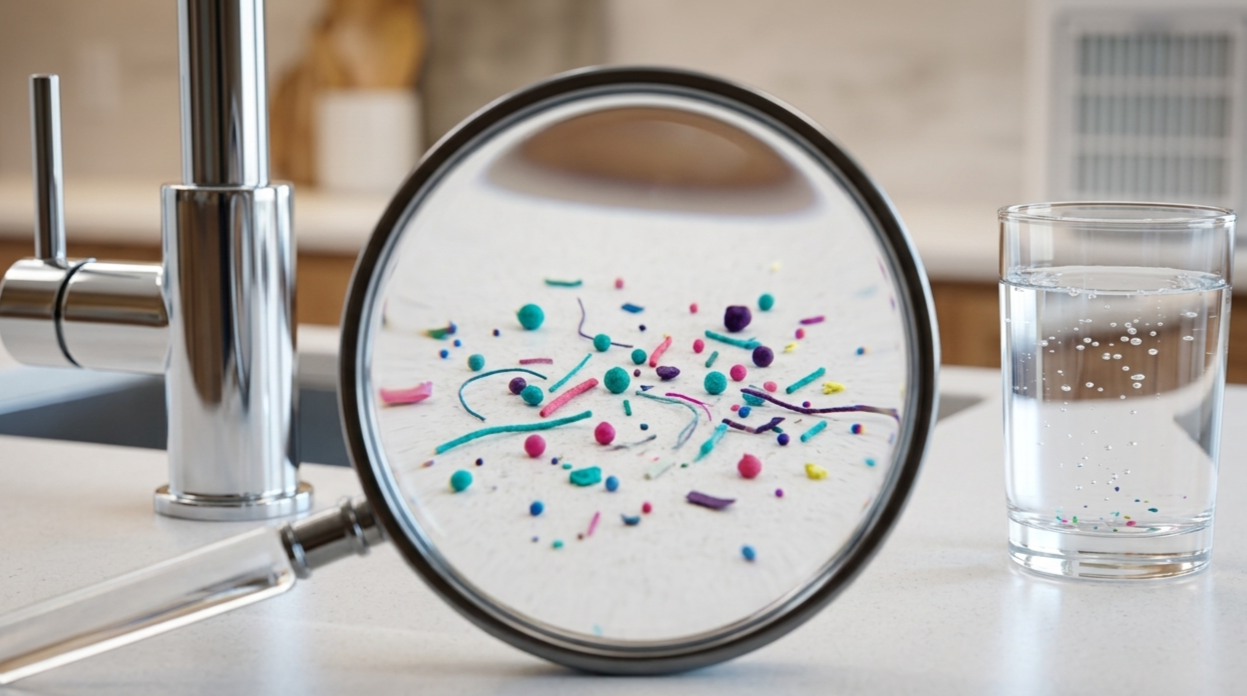
What are Microplastics?
Microplastics are plastic particles smaller than 5 millimeters in diameter. Nanoplastics are even smaller, measured in billionths of a meter (nanometers), allowing them to potentially cross biological barriers.
Common Sources in the Home:
Synthetic Textiles: Polyester and nylon fibers from clothing and upholstery.
Mechanical Friction: Wear and tear on flooring, furniture, and electronics.
Heat Exposure: The degradation of plastic kitchenware and food packaging when heated.
Indoor Dust: Airborne particles from degraded household goods.
Why are Microplastics a Concern for Health?
The risk of microplastics isn't just their presence—it’s their bioavailability and chemical payload.
Systemic Circulation: Because they are so small, microplastics can be inhaled or ingested. Research suggests the smallest particles may cross cell membranes and enter the bloodstream.
Chemical Carriers: Plastics often contain "endocrine disruptors" like BPA, phthalates, and PFAS. These chemicals can leach into the body, interfering with hormone signaling.
Cumulative Load: Constant exposure may trigger low-grade inflammation and put stress on the body’s natural detoxification pathways.
Top 5 Sources of Microplastic Exposure at Home
Synthetic Textiles (High Impact): Microfibers are shed into the air and primarily enter the body through inhalation.
Indoor Dust (High Impact): Degraded particles from household goods settle into dust, leading to both inhalation and accidental ingestion.
Bottled Water (Very High Impact): Ingestion is the primary route; studies show significantly higher particle counts in bottled vs. filtered tap water.
Food Packaging (High Impact): Heating or storing food in plastic leads to chemical leaching and particle ingestion.
Personal Care Products (Moderate Impact): Microbeads and synthetic polymers in cosmetics can be absorbed through the skin or ingested (e.g., lip products).
How to Reduce Microplastics in Your Home
You don't need to overhaul your entire life overnight. Focus on the high-impact "inputs" that matter most to your biology.
1. Upgrade Your Materials
Replace high-contact synthetic items with natural alternatives. This aligns with WELL Building Institute standards for material transparency.
Textiles: Choose organic cotton, linen, silk, or wool.
Furnishings: Prioritize solid wood over composite materials or plastic-based veneers.
Rugs: Opt for jute, sisal, or wool instead of polyester or polypropylene.
2. Improve Air and Water Filtration
Clean air and water are the foundations of a healthy home system.
HEPA Filtration: Use a high-quality air purifier to capture airborne microfibers and plastic-laden dust.
NSF-Certified Water Filters: Use glass or stainless steel filtration systems (like Reverse Osmosis or high-grade carbon) for drinking water.
Damp Cleaning: Use a damp microfiber cloth or mop to trap dust instead of stirring it back into the air.
3. Optimize Kitchen Habits
The kitchen is a critical exposure point because heat accelerates plastic degradation.
Glass Over Plastic: Transition food storage to glass or stainless steel.
Stop Microwaving Plastic: Never heat food in plastic containers, even if labeled "microwave safe."
Loose-Leaf Tea: Switch from tea bags (which often contain plastic mesh) to loose-leaf tea.
4. Smart Laundry Practices
Washing synthetic clothes is a major source of microfiber release into the environment and your home air.
Cold Water: Reduces fiber shedding during the agitation cycle.
Microfiber Filters: Install a specialized filter on your washing machine discharge or use a "Cora Ball" or "Guppyfriend" bag.
Air Dry: Reduces the breakdown of fibers caused by high-heat dryers.
FAQ: Frequently Asked Questions
Can you wash microplastics out of clothes?
No, washing actually causes synthetic clothes to shed more microfibers. You can, however, use specialized laundry filters to catch these particles before they enter the wastewater system.
Does boiling water remove microplastics?
Recent studies suggest that boiling "hard" water can encapsulate some microplastics within calcium carbonate (limescale), which can then be filtered out. However, a dedicated NSF-certified filter is more reliable.
Are "BPA-Free" plastics safe?
Not necessarily. Many BPA-free plastics use similar chemicals (like BPS or BPF) that may have similar endocrine-disrupting effects. It is safer to prioritize glass, stainless steel, or ceramic for food contact.
The Bottom Line
Most homes are built to meet basic building codes, not to optimize for human biology. By making targeted material swaps and improving your home’s filtration systems, you shift the baseline of your environment. A home with fewer microplastics is a space that actively supports your long-term well-being, energy, and focus.
