What Is a Healthy Home? The New Standard for Living in 2026
A healthy home is no longer a luxury upgrade or a niche architectural trend. In 2026, it has become the new baseline for thoughtful living.
We often think of our homes as neutral backdrops to our lives, but they are anything but. Your home quietly shapes your health every single day. Since we spend approximately 90% of our time indoors—where air pollutants can be significantly more concentrated than outside—our living spaces have become our most important environments for physical and mental resilience.
In this guide, we define the shift toward the "healthy home" and explore the six foundations required to optimize a space for how you sleep, breathe, and feel.
Defining the Healthy Home
A healthy home is a dwelling designed to support your biology. It is an environment that actively optimizes human performance, prioritizing how you recover over how you appear. Unlike traditional design, which focuses on square footage and resale value, healthy home design focuses on measurable wellness: the invisible systems of air, water, light, and material purity.
From Shelter to Wellness Ecosystem
We are moving away from seeing a house as simple shelter and toward seeing it as a wellness ecosystem. This shift reflects a broader public health understanding: our homes are the primary drivers of our long-term well-being.
The 6 Foundations of a Healthy Home
1. Atmospheric Clarity: Air and Ventilation
Air is the most critical invisible system in your home. A high-performance space prioritizes atmospheric clarity through:
Advanced Filtration: Using MERV 13+ filters to capture fine particulate matter (PM2.5) that standard filters miss.
Balanced Ventilation: Ensuring a constant exchange of fresh air to dilute indoor CO2 and allergens.
Kitchen Exhaust: A high-performance kitchen vents pollutants directly outdoors, protecting the home's air during cooking.
2. Elemental Purity: Water Quality
We are increasingly aware of contaminants like PFAS, lead, and microplastics. A healthy home treats water as a vital nutrient:
Point-of-Entry Filtration: Systems certified to NSF/ANSI standards ensure every drop of water supports the body rather than burdening it.
Moisture Management: Utilizing smart leak detection to prevent the hidden mold risks that compromise both structural and human health.

3. Circadian Alignment: The Role of Light
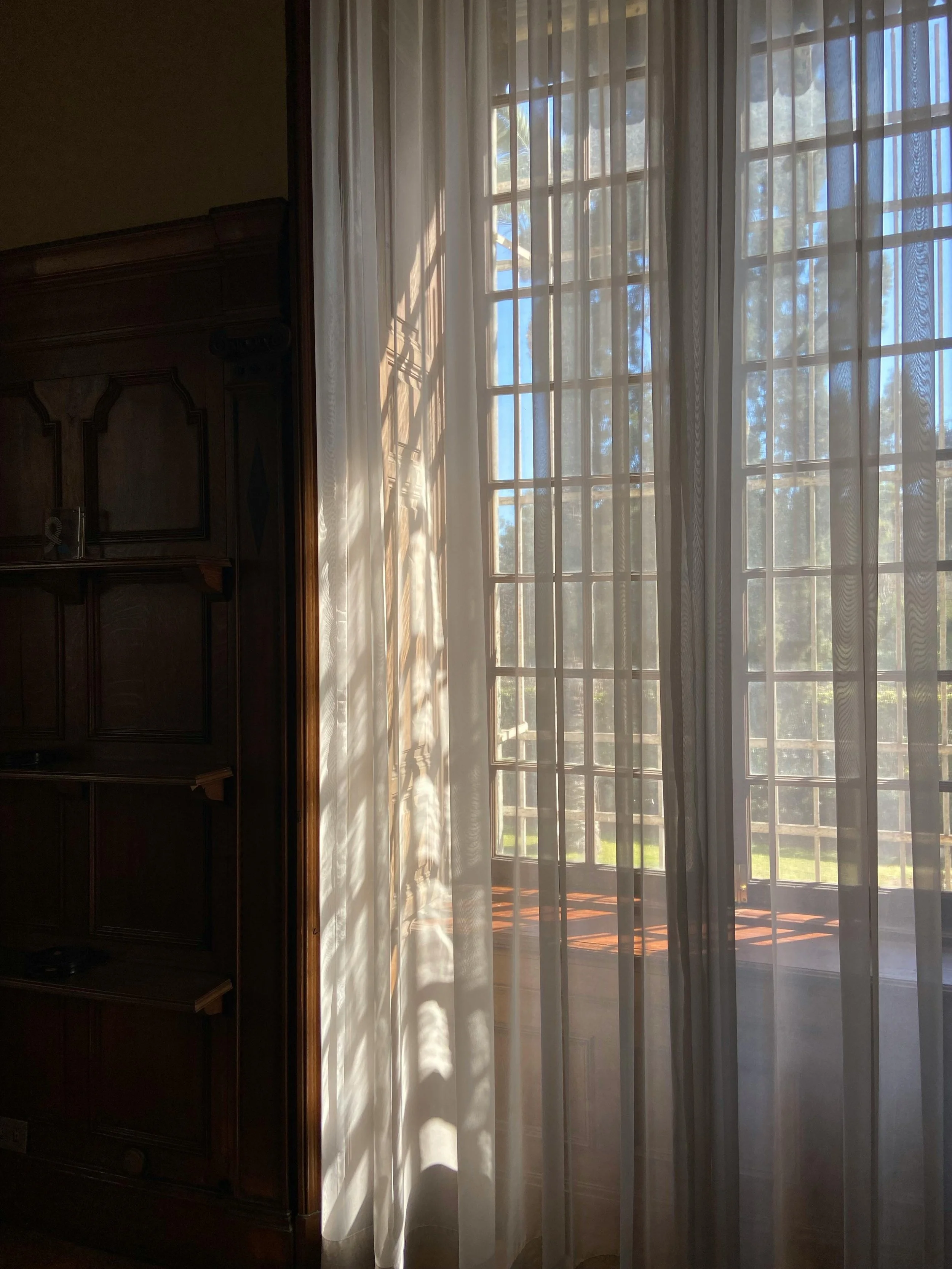
Light regulates your hormones, mood, and sleep-wake cycles. 2026 standards prioritize lighting that works with your body, not against it:
Natural Daylight: Maximizing morning sun exposure to set your internal clock.
Warm Dimming: Reducing blue light in the evening to support natural melatonin production and a graceful transition to sleep.

4. Material Integrity: Low-Toxic Finishes
Many modern materials quietly release unwanted compounds into our air. A healthier approach favors material integrity and transparency:
Low-Emission Standards: Prioritizing products with GREENGUARD Gold or Declare labels.
Natural Fibers: Choosing wood, stone, wool, and clay—materials that age beautifully and don't compromise your indoor air quality.

5. Sensory Calm: Acoustic and Nervous System Support
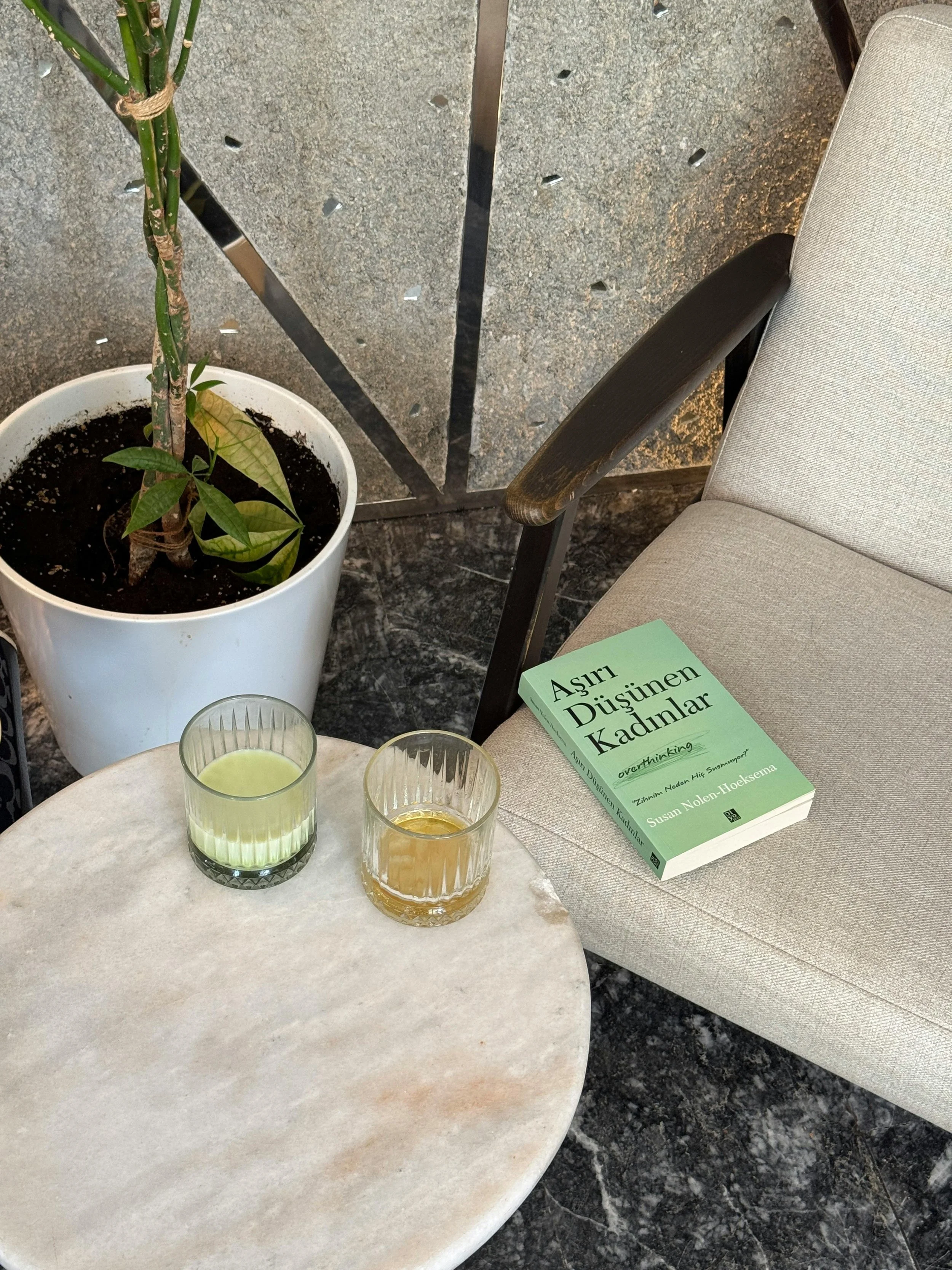
A home should regulate your nervous system, providing a sanctuary from constant stimulation. This involves:
Acoustic Softness: Using natural textures to reduce echo and sensory noise.
Biophilic Elements: Integrating natural patterns and greenery to lower cortisol levels.
Visual Order: Designing integrated storage to foster a sense of mental clarity and calm.
6. Resilience: Durability and Moisture Control
A healthy home is also a durable one. This foundation focuses on "drying assemblies"—wall systems designed to manage humidity and prevent the mold growth that often stems from poor building science. Maintaining indoor humidity between 30–50% is the gold standard for long-term respiratory health.

The Path Forward: Where to Begin
Transitioning to a healthier home is a process of layers, not immediate perfection. You can begin by prioritizing high-return decisions:
Level 1 (The Essentials): Upgrade your HVAC filtration to MERV 13 and begin filtering your drinking water.
Level 2 (The Environment): Introduce a bedroom air purifier and replace synthetic fragrances with natural ventilation.
Level 3 (The Infrastructure): As you renovate, choose GREENGUARD Gold materials and prioritize circadian-aligned lighting.
Frequently Asked Questions
Is a healthy home an expensive undertaking?
Not necessarily. While some high-performance systems carry a premium, many of the most impactful changes—such as improving ventilation habits, managing humidity, and reducing clutter—require more intention than investment.
How does a healthy home impact sleep?
By optimizing air purity (reducing CO2 buildup) and light exposure (aligning with your circadian rhythm), a healthy home creates the ideal environment for deep, restorative REM sleep.
What certifications should I look for?
For a comprehensive approach, look for WELL or Fitwel standards. For individual products, prioritize Cradle to Cradle and GREENGUARD Gold.
The Real Takeaway
In 2026, the definition of a "dream home" has evolved. We no longer just ask, "How does it look?" We ask, "How does it help me live?" By focusing on the invisible systems that support our biology, we create spaces that don't just shelter us, but help us thrive.
