The Healthy Build Checklist: 10 Questions to Ask Your Builder Before You Build or Renovate

Most conventional homes are built to code, not to health. Building codes are designed to prevent structural failure—not to protect your nervous system, your sleep, or your lungs. While a standard inspection ensures your roof won't collapse, it doesn't flag the materials off-gassing while you sleep or the lighting wired to disrupt your body clock.
According to the EPA, concentrations of volatile organic compounds (VOCs) are consistently two to five times higher (and sometimes up to ten times higher) indoors than outdoors. The primary source? Your building materials, finishes, and furnishings.
To help you navigate this, I’ve compiled the exact questions I help health-conscious homeowners bring to their builders. Print this out and bring it to your next site meeting.
"Your home is either supporting your health or working against it — there's no in-between."
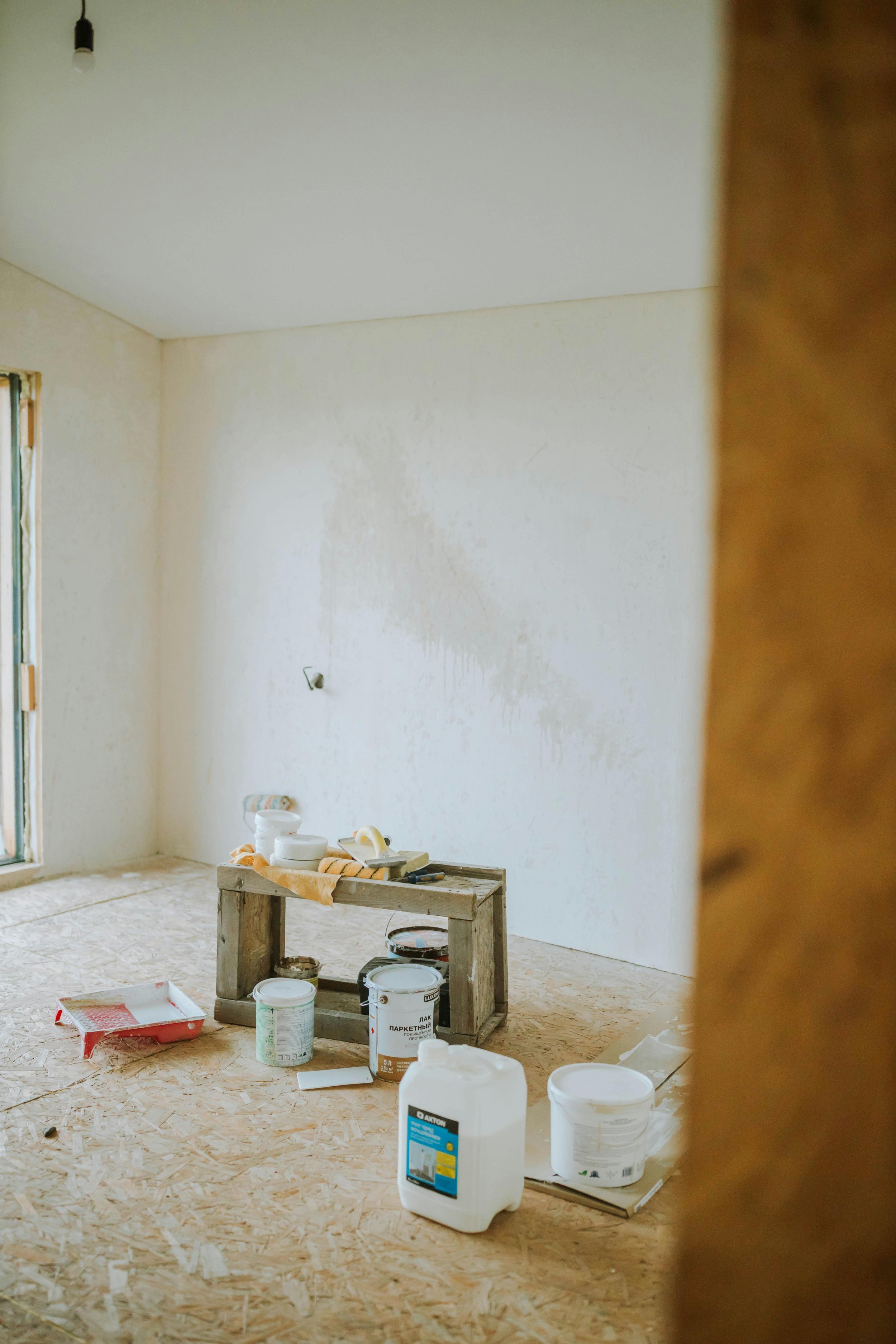
01. Insulation Materials & VOCs
What materials are used in the insulation, and are they free from VOCs and flame retardants?
The Short Answer: Many conventional insulations—including some spray foams and standard fiberglass batts—can off‑gas VOCs and contain hormone-disrupting flame retardants. Ask for low‑emission, third‑party certified options like Mineral Wool or Cellulose.
Insulation stays inside your walls for the life of the home. Spray polyurethane foam (SPF) can continue releasing isocyanates if improperly mixed. Prefer products with GREENGUARD Gold certification and always request the Safety Data Sheet (SDS).
02. Paints, Primers, and Finishes
What are the VOC levels of the paints and primers being used?
The Short Answer: "Low-VOC" labels can be misleading. Regulatory definitions often exclude toxic chemicals that are non-reactive outdoors but harmful indoors. Ask for Zero-VOC formulations that include zero-VOC colorants/pigments.
A 2023 study found toluene and xylene were highest in newly finished homes. Specify products certified under California Specification 01350—the most rigorous emissions standard available.
03. Moisture Management & Mold Prevention
How are you preventing moisture intrusion and mold during construction?
The Short Answer: Mold grows in as little as 24-48 hours on damp building materials. Ask your builder for a written moisture management plan that includes dehumidifier protocols after the envelope is closed.
The "tight but not finished" phase is high risk. Without a protocol, mold can establish itself inside walls before drywall goes up, leading to neurological symptoms like brain fog and fatigue later on.
04. Ventilation Strategy (ERV/HRV)
What is the mechanical ventilation strategy for delivering fresh air?
The Short Answer: Modern homes are built "tight" to save energy, but tight buildings don't breathe. Without an ERV (Energy Recovery Ventilator) or HRV (Heat Recovery Ventilator), your home traps CO₂, moisture, and pollutants.
If your builder says "we'll just crack a window," that's a red flag. Ensure the design meets ASHRAE 62.2 ventilation standards.
05. Flooring & Formaldehyde
Does the flooring contain formaldehyde or synthetic adhesives?
The Short Answer: Engineered wood and luxury vinyl are common sources of formaldehyde, a known carcinogen. Opt for FSC-certified solid wood, natural stone, or porcelain tile.
Flooring covers massive surface area at the level where children and pets breathe. If using engineered products, ensure they are CARB Phase 2 or FloorScore certified.
06. Circadian Lighting Design
Is the lighting plan designed to support circadian rhythms?
The Short Answer: Static lighting (same color all day) disrupts melatonin. Ask for tunable LED fixtures that allow for cool light during the day and warm, dim light (under 2700K) in the evening.
Research indicates circadian disruption affects metabolic function and immune response. Pre-wiring for tunable systems at the "rough-in" stage is far cheaper than retrofitting.
07. Water Filtration Strategy
What is the filtration plan for both drinking and bathing water?
The Short Answer: Legal safety thresholds don't account for "forever chemicals" (PFAS) or chlorine byproducts inhaled during hot showers. Plan for a whole-home carbon filter and a kitchen Reverse Osmosis (RO) system.
08. Biophilic Design Elements
Are natural materials and biophilic elements incorporated?
The Short Answer: Biophilic design—integrating nature into architecture—is physiological, not just decorative. It is proven to lower heart rate and cortisol levels.
Focus on window orientation for morning light and the use of raw materials like wood, stone, or clay plaster.
09. HVAC & High-Efficiency Filtration
Will the HVAC system include MERV-13 or HEPA filtration?
The Short Answer: Standard MERV-8 filters allow fine particulate matter to pass through. Specify MERV-13 as a baseline to capture bacteria, smoke, and allergens.
10. Final Air Quality & Blower Door Testing
Is an independent indoor air quality (IAQ) test included in the completion?
The Short Answer: Don't move in until you know the air is safe. A post-construction IAQ test identifies if VOC levels are too high, allowing for a professional "flush-out" before occupancy.
People Also Ask
What does "non-toxic building materials" actually mean?
In construction, "non-toxic" refers to materials independently certified for low chemical emissions. Look for GREENGUARD Gold, Declare Labels, or FSC Certification. Always check the Safety Data Sheet (SDS) for specific ingredient transparency.
How long do VOCs off-gas from new building materials?
Off-gassing is highest in the first few weeks but can continue for over a year. Heat and humidity accelerate emissions. A professional "flush-out" protocol—increasing ventilation before moving in—is highly recommended for new builds.
Is a healthy home build significantly more expensive?
Not necessarily. Many high-impact choices, such as moisture management, window orientation, and better HVAC filters, add little to no cost if decided during the design phase. Costs only increase significantly when upgrading to premium mechanical systems (ERVs) or specialized materials.
Your Home Should Work With Your Body, Not Against It.
